Phage Journal | Why Does Switching to New Corn Trigger Pig Diarrhea? How Bacteriophages Solve the Feed-Transition Dilemma
2026-10-16 09:00:00
PHAGE JOURNAL · ISSUE 39
October 16, 2026 · Swine Gastrointestinal Health Special Edition
Phage Journal | Why Does Switching to New Corn Trigger Pig Diarrhea? How Bacteriophages Solve the Feed-Transition Dilemma
—— Promoting Robust Intestinal Biosecurity and Conquering Clostridial Enteritis via Targeted Phage Biocontrol
October brings the golden harvest across prime agricultural belts. As freshly harvested corn floods into feed mills, pig farms progressively transition their herds to new corn diets. While fresh grains are conventionally associated with superior flavor and freshness, freshly harvested corn harbors distinct physiological and chemical nuances. If mishandled, dietary transitions routinely trigger acute herd hazards: weaned piglets and growing pigs suffer widespread watery diarrhea, impaired feed intake, and severe growth retardation. What mechanisms govern this post-transition setback, and how does targeted bacteriophage biotechnology deliver a reliable biological resolution?
01 · Why Does Freshly Harvested Corn Induce Swine Diarrhea?
Although fresh corn boasts high palatability and abundant moisture, incorporating large fractions of unaged grain within the first two to three months after harvest dramatically destabilizes porcine digestive homeostasis. The primary underlying triggers fall into two core physiological categories:
1. Nutritional & Enzymatic Fluctuations
- Elevated Resistant Starch Concentrations: Starch granules in freshly harvested corn exist in a dense crystalline maturation phase. Their resistant starch fraction resists porcine small-intestinal amylolytic hydrolysis, surging intact into the cecum and colon where intense anaerobic microbial fermentation produces excessive gas, tympany, and osmotic diarrhea.
- Excess Moisture Dilutes Endogenous Enzymes: Fresh corn frequently arrives with 15%–30% moisture content, far surpassing the safe 14%–15% storage threshold. Elevated moisture dilutes nutrient density while flushing through the upper GI tract, diluting digestive enzyme secretions and elevating bacterial contamination risk.
- Active Anti-Nutritional Factors (ANFs): Fresh corn contains native trypsin inhibitors and non-starch polysaccharides (such as soluble pentosans). During extended grain storage, these factors degrade naturally; unaged grain, however, retains high ANF activity, increasing chyme viscosity, irritating the gut lining, and retarding nutrient absorption.
2. Intestinal Dysbiosis & Mechanical Barrier Breakdown
The rapid influx of unabsorbed starch and peptides into the large intestine provides abundant fermentable substrates for opportunistic anaerobes. This nutrient flood quickly collapses microbial diversity, depleting beneficial commensals like Lactobacillus and Bifidobacterium while compromising tight junction proteins and mucosal structural integrity.
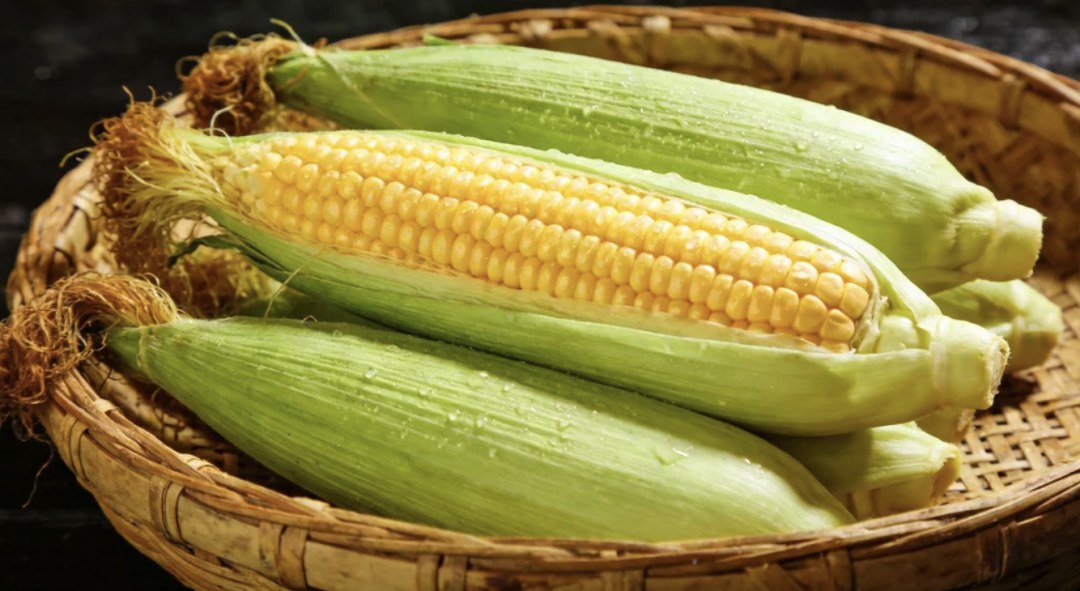 Figure 1: Nutritional and enzymatic mechanisms driving gastrointestinal dysbiosis during corn transition
02 · The Opportunistic Culprit: Explosive Proliferation of Clostridium perfringens
Under the dual stress of sudden feed transition and microecological disruption, the most devastating secondary complication on commercial farms is the explosive expansion of Clostridium perfringens, the primary causative pathogen of necrotic enteritis and acute clostridial diarrhea.
Pathogenic Cascade
Clostridium perfringens naturally resides in low abundance within porcine enteric flora. When undigested carbohydrates accumulate in the hindgut, local oxygen levels drop sharply, establishing ideal anoxic conditions. Spores germinate rapidly into vegetative bacilli, secreting potent dermonecrotic exotoxins (alpha, beta, and epsilon toxins) that lyse enterocytes, shedding mucosal tissue and precipitating hemorrhagic enteritis or fatal dehydration within hours.
The Antibiotic Dead-End:
Historically, producers relied on prophylactic antibiotic additions (such as bacitracin zinc, virginiamycin, or lincomycin) during grain changeovers. However, widespread antibiotic usage has spawned high rates of antimicrobial resistance (AMR), rendering chemical therapeutics ineffective. Crucially, broad-spectrum antibiotics inflict "collateral damage" on commensal probiotic barriers, trapping farms in a vicious loop of "Diarrhea — Medication — Dysbiosis — Recurrent Infection".
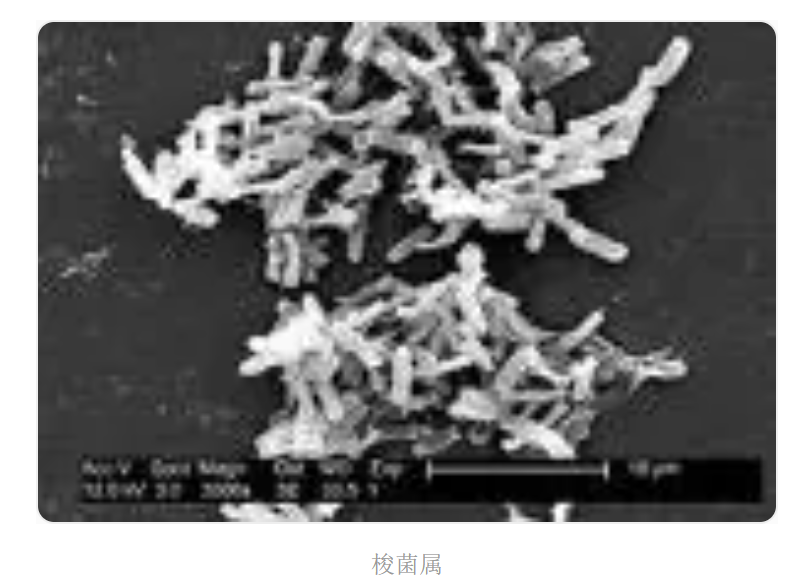 Figure 2: Cellular pathogenesis of Clostridium perfringens infection in the porcine intestinal mucosa
03 · Precision Biological Intervention: Lytic Bacteriophage Therapy
As the global livestock industry accelerates toward zero-antibiotic production and AMR mitigation, targeted biological alternatives have taken center stage. Among them, precision bacteriophage therapy represents the most definitive biological solution to feed transition diarrhea.
Core Advantages of Bacteriophage Biocontrol in Swine Production:
- Precision Lysis Without Commensal Disruption: Bacteriophages exhibit exceptional host specificity. Specific lytic phages target only pathogenic Clostridium perfringens, leaving beneficial commensals like Lactobacillus and Bifidobacterium unharmed, preserving the natural microecological barrier.
- Bypassing Conventional AMR Mechanisms: Unlike chemical antibiotics, phages lyse bacterial cell walls via mechanical enzymatic action (holin-endolysin complexes). This fundamental mode of action circumvents drug efflux pumps and enzymatic degradation, delivering equal efficacy against multi-drug resistant (MDR) superbugs.
- Pure Biological Safety & Zero Residues: Being natural biological entities composed solely of proteins and nucleic acids, bacteriophages naturally degrade once their host targets are exhausted. They leave zero chemical residues in meat tissues and present zero risk of disseminating antibiotic resistance genes (ARGs).
- Industrial Cocktail Formulations: Supported by Shandong New-Line Biotech's strategic biobank of over 60,000 characterized bacterial strains, our scientists formulate broad-spectrum lytic cocktails. The products guarantee 99% Purity, an 18 months shelf life, and an agile 30 to 90 days upgrade cycle, maintaining definitive suppression against evolving field strains.
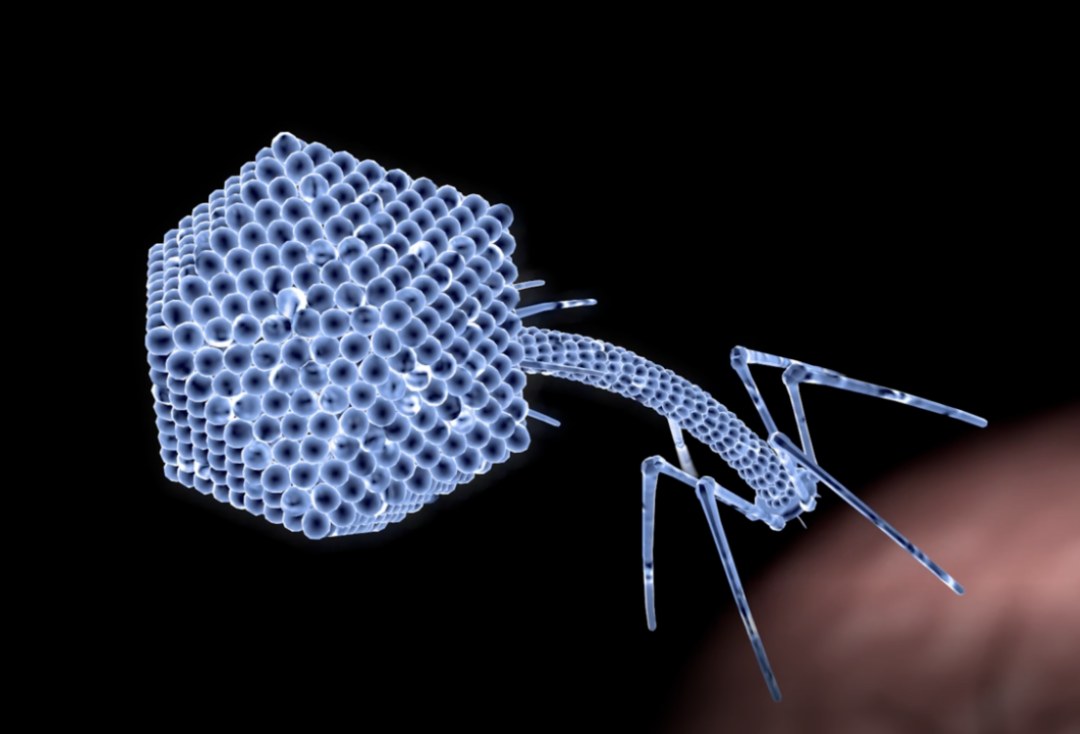 Figure 3: Phage adsorption, replication, and targeted lysis of pathogenic clostridia
04 · Best-Practice Feed Transition Protocols for Pig Producers
🌾 The 4-Step Transition Protocol:
- Adequate Curing & Aeration: Ensure freshly harvested corn undergoes mechanical cleaning and at least 30 days of storage curing to allow anti-nutritional factors to degrade naturally.
- Gradual Dietary Ratio Shift: Implement an incremental blend over 10 to 14 days (ratios of old:new at 8:2, 6:4, 4:6, and 2:8), avoiding sudden diet shocks.
- Proactive Biocontrol Pre-Dosing: Introduce specific bacteriophages targeting Clostridium perfringens and enterotoxigenic Escherichia coli via water or feed 3 days before initiating transition, establishing proactive biological suppression.
- Rigorous Mycotoxin Quality Control: Monitor zearalenone and vomitoxin (DON) levels diligently, pairing with high-grade binder-degraders where necessary.
📚 Selected Scientific References:
- Chen, X.Y., Pan, S.H., Huang, W.L., et al. Research Progress in the Application of Clostridium perfringens Bacteriophages as Antibiotic Alternatives in Animal Production[J]. Guangdong Feed, 2025, 34(10): 18-21.
- Xu, Y.W., Yuan, J.M., Zhou, H.B., et al. Effect of Newly Harvested Corn on Resistant Starch Content in Feed and Porcine Digestive Metabolism[J]. Chinese Journal of Animal Science, 2022, 58(6): 195-198.


 Scan WeChat QR Code for Updates
Shandong New-Line Biotechnology Co., Ltd.
Dedicated to industrial bacteriophage R&D and applications for agriculture and animal health. Equipped with 6 fermentation production lines and a biobank of 60,000+ pathogen strains.
Hotline: 0536-2201616 / +86-536-2201616
Official Portals: en.phages.cn / phages.biz
Disclaimer: Scientific studies, biological mechanisms, and management recommendations cited herein are derived from peer-reviewed literature and empirical determinations by the Shandong New-Line Biotechnology R&D Center. Published solely for industry exchange and technical reference.